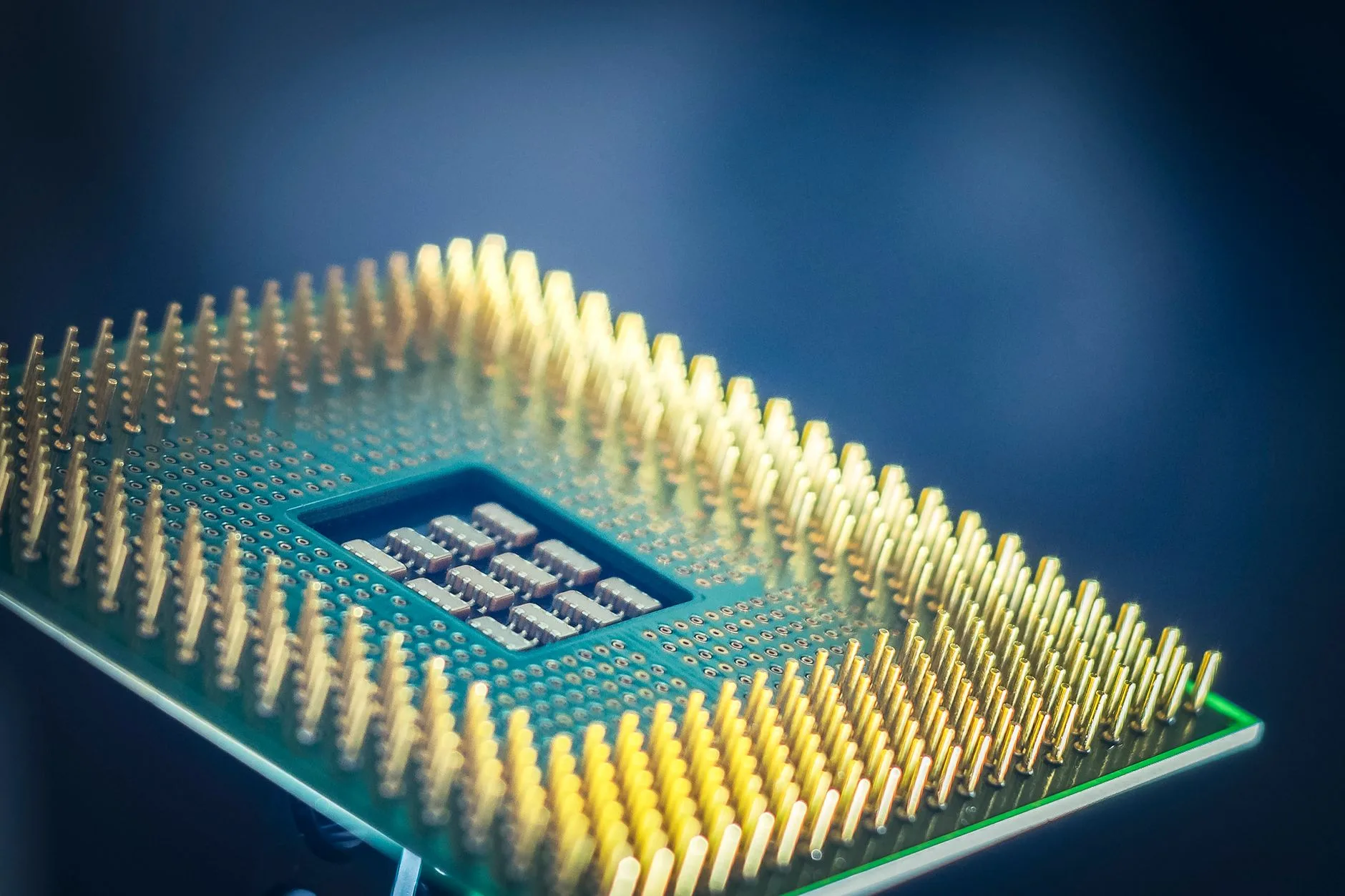
“MediaTek or Snapdragon?” gets asked as if one brand is simply better, but both companies make chips across every price tier, from entry-level to flagship. The naming schemes don’t line up (Snapdragon’s “8 Elite” and Dimensity’s “9500” are both this generation’s flagship-tier chips, despite the very different numbers), which makes comparing by name alone unreliable. A clearer way to look at it: compare two real phones at the same price, one from each chipmaker, and see what actually differs.
Same price, entry tier: Poco M8 vs Redmi Note 14 Pro 5G
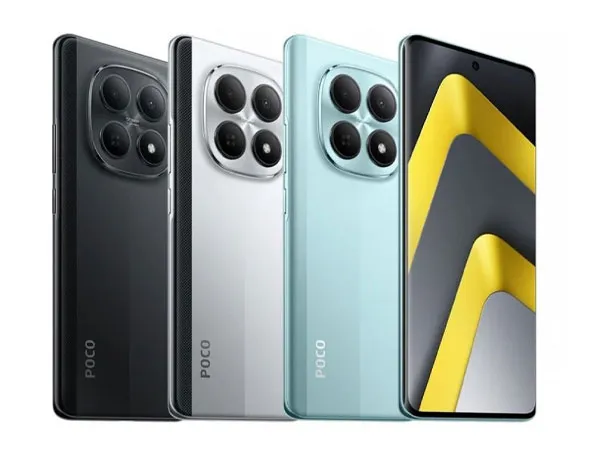
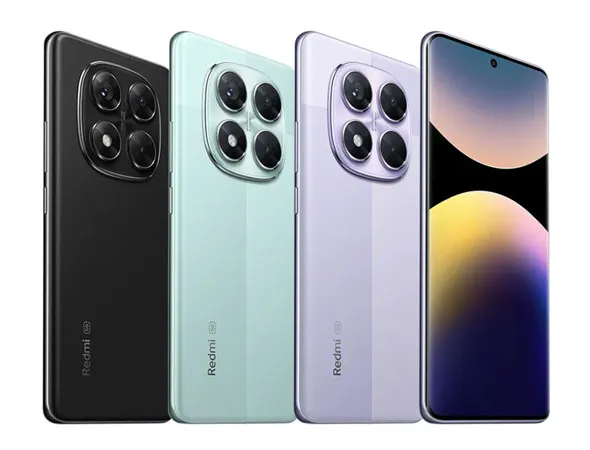
Both are Xiaomi-family phones at almost exactly the same price, RM999 and RM1,000.
| Poco M8 (Qualcomm) | Redmi Note 14 Pro 5G (MediaTek) | |
|---|---|---|
| Chipset | Snapdragon 6 Gen 3 (4nm) | Dimensity 7300 Ultra (4nm) |
| GPU | Adreno 710 | Mali-G615 MC2 |
| Android updates | Up to 4 major upgrades | Up to 3 major upgrades |
Same process node, same general performance tier, different GPU architecture (Adreno is Qualcomm’s own design, Mali is a licensed Arm design that MediaTek uses). At this price and tier, the practical difference between the two shows up more in each phone’s own display, camera, and software choices than in which chipmaker made the processor.
Poco M8 → · Redmi Note 14 Pro 5G →
Same price, flagship tier: HONOR GT Pro vs Poco X8 Pro Max

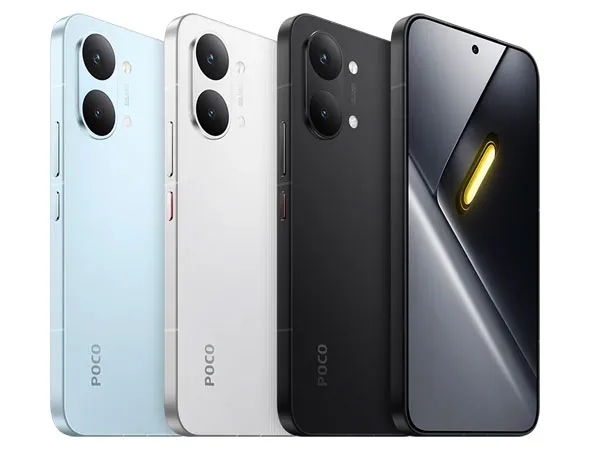
RM2,099 vs RM1,999, both running this generation’s top-tier silicon on the same 3nm process.
| HONOR GT Pro (Qualcomm) | Poco X8 Pro Max (MediaTek) | |
|---|---|---|
| Chipset | Snapdragon 8 Elite (3nm) | Dimensity 9500s (3nm) |
| GPU | Adreno 830 | Immortalis-G925 MC12 |
| Battery | 7200 mAh, 90W wired | 8500-9000 mAh, 100W wired |
At the flagship tier, the GPU naming diverges further, Adreno 830 versus Arm’s Immortalis-G925, both built for sustained high-refresh-rate gaming rather than basic efficiency. Neither spec sheet tells you frame-rate numbers in specific games, which is the kind of thing you’d need a hands-on benchmark for, not a spec comparison. What the spec sheet does tell you clearly is battery: the Poco’s cell and charging speed are both larger here, though that’s a phone-level design choice, not something inherent to the chipset brand.
HONOR GT Pro → · Poco X8 Pro Max →

What the chipset brand doesn’t tell you
Neither pair above shows a clear “always pick this brand” pattern, and that’s the actual takeaway: at a given price point, MediaTek and Qualcomm chips tend to land in the same rough performance class, because both companies are pricing against each other. The process node (the “4nm” or “3nm” figure) is a more reliable signal of a chip’s generation and efficiency than the brand name is. Beyond that, the rest of the phone, display quality, battery capacity, camera hardware, software update commitment, tends to matter more for everyday use than which of the two companies made the processor.
Every spec above comes directly from each phone’s listed spec sheet on this site. If you’re not sure how to read a spec line beyond the chipset, our guide to reading a phone spec sheet covers the rest.