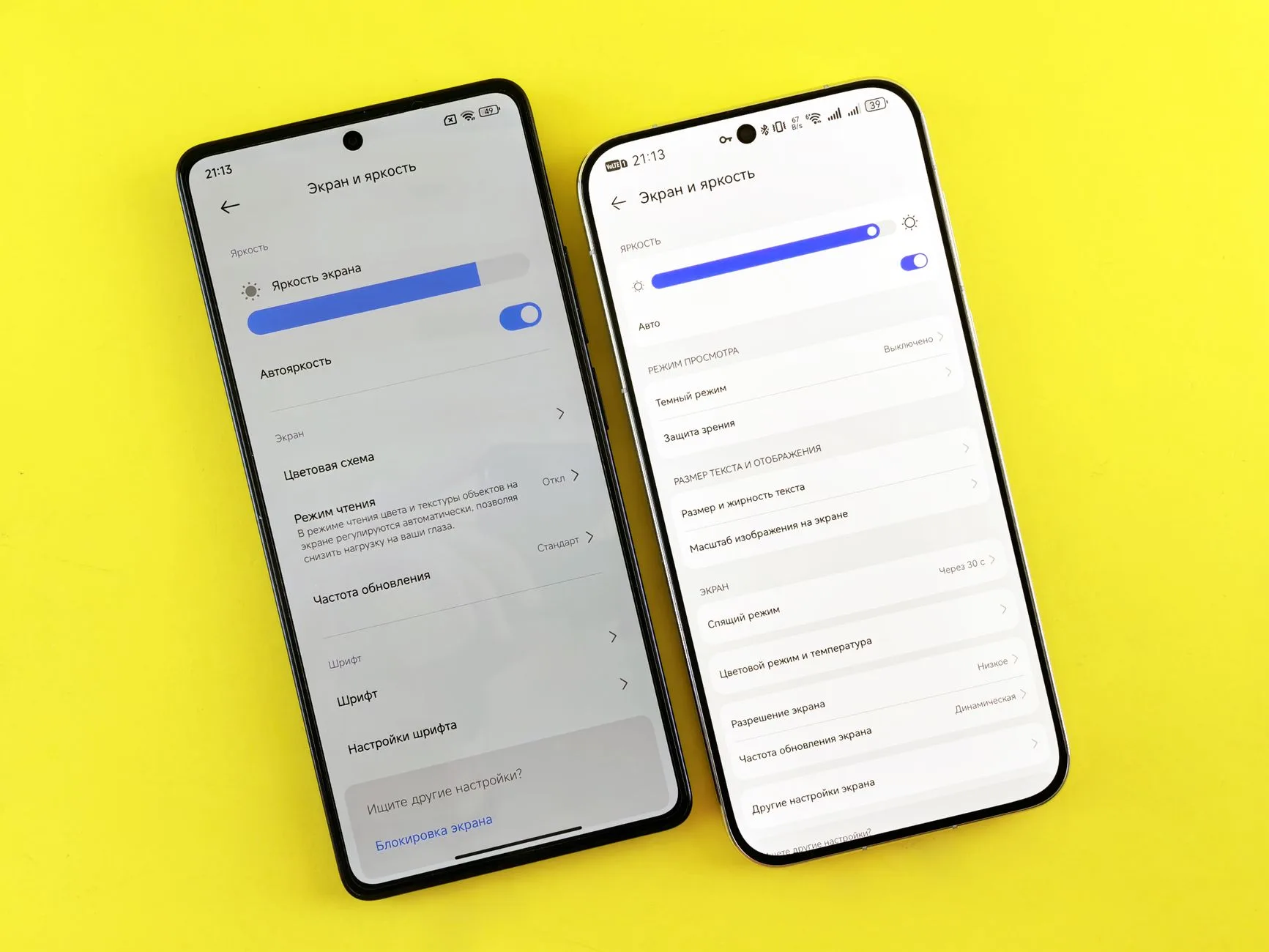
Samsung and Xiaomi are the two biggest phone catalogs we track in Malaysia, 341 and 217 models between them, spanning everything from RM75 feature phones to RM7,799 foldables. Neither brand is “the budget one” or “the flagship one” outright; both sell across the whole range. What differs is where each brand puts its effort, and that shows up clearly once you compare phones at the same price.
Samsung’s catalog
We track 341 Samsung phones released in Malaysia over the years, 17 of them released in 2025 or later. Current pricing on those 2025+ models runs from RM699 (Galaxy A06 5G) to RM7,799 (Galaxy Z Fold 7), with a median of RM3,399, pulled up by a lineup that’s noticeably flagship- and foldable-heavy this generation. Samsung’s spec sheets consistently list a long Android update commitment (several current A-series and S-series models list up to 6 or 7 major Android upgrades), which isn’t something every brand states.
Browse the full Samsung lineup.
Xiaomi’s catalog
We track 217 Xiaomi phones (including the Redmi and Poco sub-brands, excluding the small number of Poco-badged tablets), 40 of them released in 2025 or later, more than double Samsung’s count of recent releases. Current pricing on those runs from RM269 (Poco C71) to RM5,499 (Xiaomi 17 Ultra), with a median of RM1,299, well below Samsung’s. Xiaomi’s release cadence is faster and its catalog leans harder into the sub-RM1,500 range, which is where most of its 2025+ releases sit.
Browse the full Xiaomi lineup.

Head-to-head: three real pairs at matching prices
Around RM1,200: Galaxy A26 vs Redmi Note 14 Pro Plus 5G
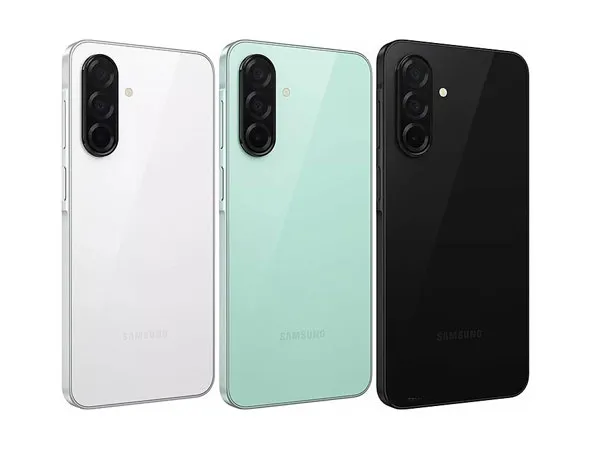

Both list at exactly RM1,199.
| Samsung Galaxy A26 | Redmi Note 14 Pro Plus 5G | |
|---|---|---|
| Chipset | Exynos 1380 | Snapdragon 7s Gen 3 |
| RAM / Storage | 6GB / 128GB | 12GB / 256GB |
| Display | 6.7”, Super AMOLED, 120Hz | 6.67”, AMOLED, 120Hz, Dolby Vision, 3000 nits peak |
| Battery | 5000 mAh, 25W wired | 5110 mAh, 120W wired |
| Main camera | 50MP, OIS | 200MP, OIS |
On paper, the Redmi Note 14 Pro Plus 5G doubles the RAM and storage and charges roughly 5x faster for the same price. Samsung’s case here rests on software support length and its own display tuning, not raw spec-sheet numbers.
Samsung Galaxy A26 → · Redmi Note 14 Pro Plus 5G →
Around RM1,900-2,000: Galaxy A56 vs Poco X8 Pro Max
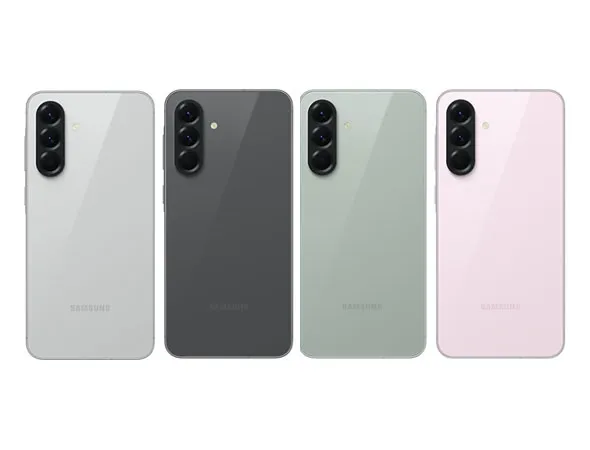
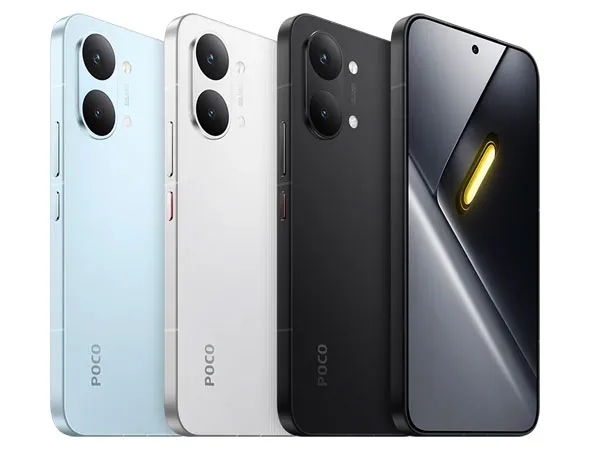
RM1,919 vs RM1,999, 80 ringgit apart.
| Samsung Galaxy A56 | Poco X8 Pro Max | |
|---|---|---|
| Chipset | Exynos 1580 | Dimensity 9500s |
| RAM / Storage | 12GB / 256GB | 12GB / 256GB |
| Display | 6.7”, Super AMOLED, 120Hz, HDR10+ | 6.83”, AMOLED, 120Hz, Dolby Vision, HDR10+, 3500 nits peak |
| Battery | 5000 mAh, 45W wired | 8500-9000 mAh, 100W wired, 27W reverse wired |
| Main camera | 50MP, OIS | 50MP, OIS |
RAM and storage are tied here. The two chipsets are built on different processes (Dimensity 9500s at 3nm vs Exynos 1580 at 4nm), and battery capacity is the bigger gap, the Poco’s figure is close to double Samsung’s.
Samsung Galaxy A56 → · Poco X8 Pro Max →
Flagship tier: Galaxy S25 vs Xiaomi 15
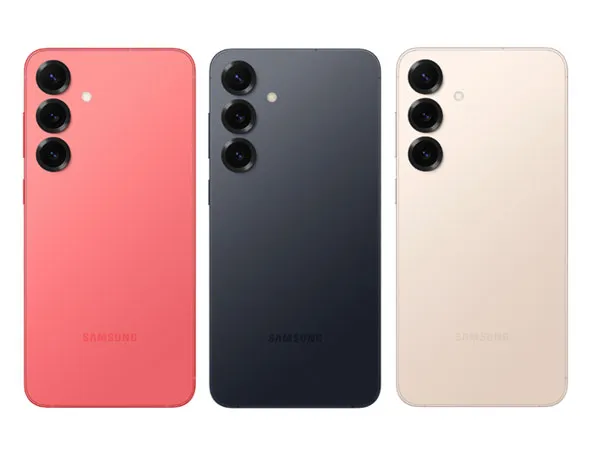
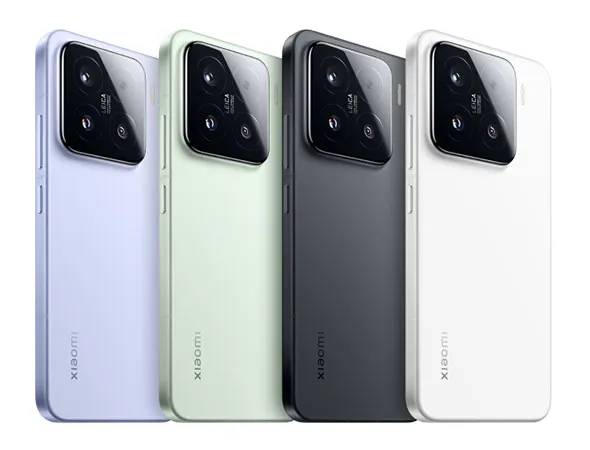
RM3,399 vs RM3,299, both running the same Snapdragon 8 Elite chipset.
| Samsung Galaxy S25 | Xiaomi 15 | |
|---|---|---|
| Chipset | Snapdragon 8 Elite | Snapdragon 8 Elite |
| RAM / Storage | 12GB / 256GB | 12GB / 256GB |
| Display | 6.2”, Dynamic LTPO AMOLED 2X, 120Hz, 2600 nits peak | 6.36”, LTPO AMOLED, 120Hz, Dolby Vision, 3200 nits peak |
| Battery | 4000 mAh, 25W wired, 15W wireless | 5240 mAh (Global), 90W wired, 50W wireless |
| Rear cameras | 50MP main + 10MP 3x telephoto + 12MP ultrawide | 50MP main + 50MP 2.6x telephoto + 50MP ultrawide |
Same silicon, similar price, very different charging philosophy: Xiaomi’s 90W wired and 50W wireless figures are both well ahead of Samsung’s 25W and 15W. Xiaomi also puts a 50MP sensor behind all three rear cameras rather than mixing resolutions.
Samsung Galaxy S25 → · Xiaomi 15 →
The pattern across all three pairs
At every price point we checked, Xiaomi’s spec sheet leads on charging speed and either RAM/storage or camera resolution, sometimes both. Samsung’s advantage isn’t visible in a spec table: it’s in stated software-update length and, subjectively, display and camera tuning that a raw number doesn’t capture. If you’re optimizing purely for spec-sheet numbers per ringgit, the phones above suggest Xiaomi comes out ahead. If long-term software support and Samsung’s own ecosystem (Galaxy Watch, Buds, DeX) matter to you, that’s a real tradeoff a spec table won’t show.
Every figure in this post comes directly from each phone’s listed spec sheet on this site. Prices are reference prices at time of listing and drift over time, so check the current price on each product page before deciding.